

You already know what to do, but life keeps getting in the way. Work overruns, family plans change, travel disrupts your routine, and before you know it, the plan has slipped again.
If that sounds familiar, accountability coaching can help.
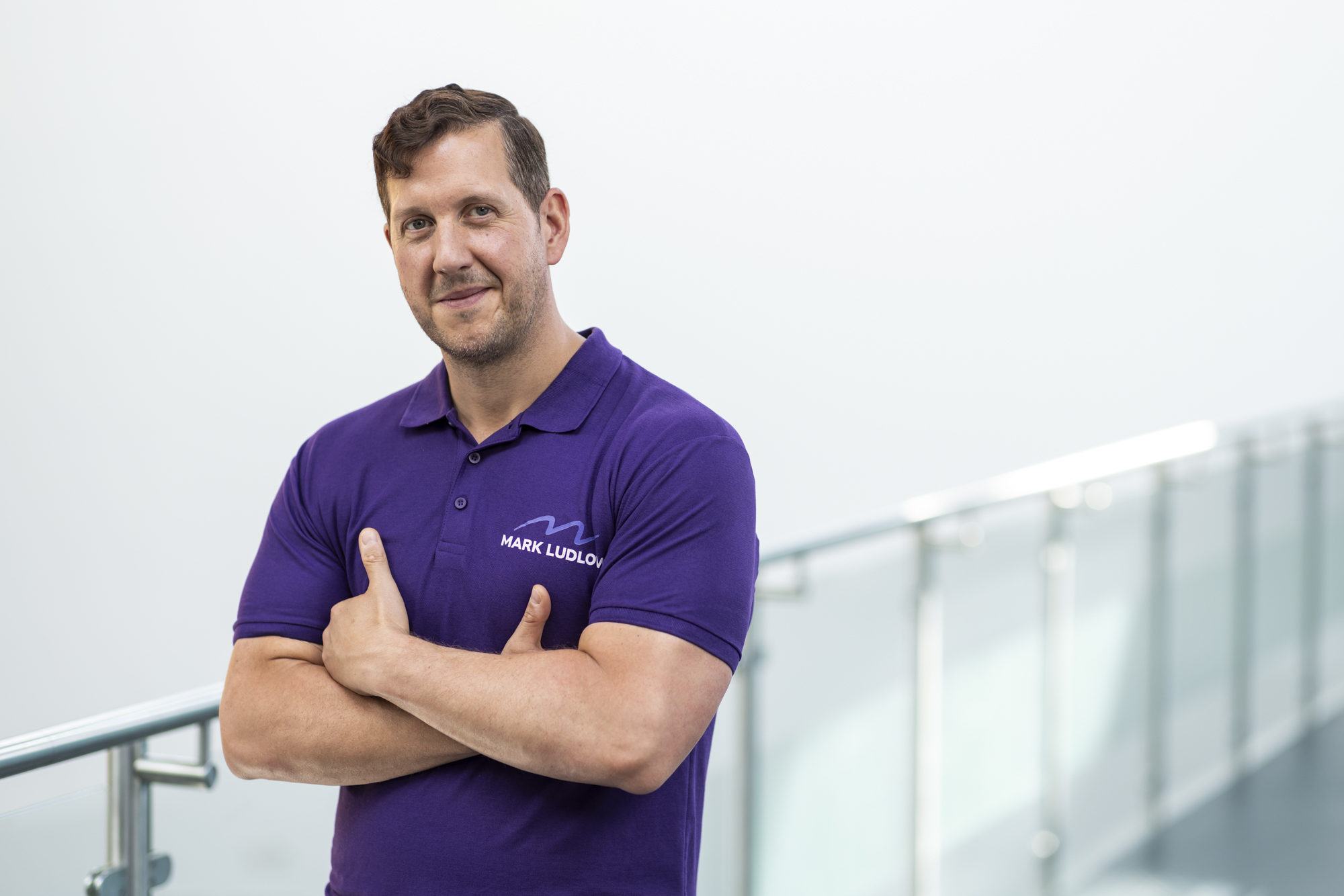
I’m Mark Ludlow, a St Albans-based coach who helps busy adults turn good intentions into consistent action. Not through guilt, extreme rules or expecting perfection, but through structure, regular support and a plan that works around real life.
Having lost a significant amount of weight myself, I understand first-hand how challenging long-term change can be. That experience has shaped the way I coach today: finding an approach that works for the individual rather than trying to force the individual to fit the plan.
In this guide, I’ll explain what a fitness accountability coach actually does, how coaching differs from simply providing motivation, and how the right support can help you become more consistent.
What is a fitness accountability coach?
A fitness accountability coach helps you turn what you intend to do into what you actually do.
We agree on clear goals, build a realistic plan around your lifestyle and then regularly review how things are going. When something isn’t working, we adjust it rather than simply expecting you to try harder.
It isn’t about shouting, shaming or checking whether you’ve been “good” or “bad”. Good accountability coaching brings together training, nutrition, mindset and lifestyle, giving you clarity about what to focus on and support when life inevitably gets in the way.
What I actually do for clients
No two clients need exactly the same type of accountability. I work with busy professionals, parents, shift workers, people who travel regularly, families working towards weight loss together and clients managing injuries or physical limitations.
In practice, that support can include:
- Weekly planning that fits your real routine. That might mean shorter sessions during a demanding week at work, moving training around family commitments or adapting the plan when something unexpected happens.
- Structured check-ins via Zoom or WhatsApp. We look at what has gone well, where you’ve struggled and what needs to change, leaving you with clear actions to focus on.
- Habit and activity tracking where appropriate. Depending on how we’re working together, I might monitor things such as daily activity, steps, nutrition logging or completed workouts. This can help us spot a small lapse before it becomes several weeks of inconsistency.
- Realistic nutrition support. Rather than assuming everyone needs a rigid meal plan, we might work on calorie awareness, protein intake, practical food choices or simply developing better eating habits around your existing lifestyle.
- Technique and progression support. Whether you’re training with me in person or following your programme independently, I can help with exercise selection, technique, loading and progression so that your training remains appropriate and effective.
- Mindset coaching. When motivation drops, we focus on what is realistically achievable rather than giving up completely. Sometimes the most useful question is: what is the minimum I can do this week to keep moving forward?
- Adapted coaching when you need it. Injuries, physical limitations or a lack of confidence don’t necessarily mean everything has to stop. Where appropriate, I can adapt your training so you can continue making progress safely.
And the support doesn’t necessarily stop when a session or check-in ends. If something changes during the week, you can message me and we can work out how best to adapt.
If you prefer face-to-face support, I coach from Cotlandswick Leisure Centre in St Albans, with free parking and no gym membership required. For people who need more flexibility, I also provide online coaching using Zoom, WhatsApp and app-guided training programmes.
Cheerleader vs coach
Encouragement is useful. But encouragement on its own doesn’t necessarily create change.
A cheerleader tells you, “You’ve got this.”
An accountability coach helps you work out how you’re going to get it done when you’re busy, tired, travelling or having a difficult week.
- Cheerleading relies heavily on motivation. Coaching helps you build structure that can still work when motivation is low.
- Cheerleading can be generic. Coaching should take into account your circumstances, preferences, challenges and priorities.
There’s absolutely a place for encouragement within coaching, but it needs to sit alongside structure, honest feedback and practical problem-solving.
Why busy adults benefit from accountability
Life is rarely predictable.
Some of my clients work long hours. Others travel regularly or work shifts. Many are balancing work with children, family commitments and everything else that needs to happen during the week.
A rigid plan can quickly fall apart under those circumstances. A flexible one can adapt.
Examples of the type of support I regularly provide include:
- Flexible training for professionals going through particularly demanding periods at work.
- Practical nutrition and exercise strategies for people who regularly travel.
- Adaptable routines for parents working around childcare and family commitments.
- Structured plans for shift workers whose schedule changes from week to week.
- Support for families trying to lose weight and improve their habits together.
- Modified exercise programmes for people managing injuries or physical limitations.
The aim isn’t to create the perfect week. It’s to create an approach that still works when the week isn’t perfect.
Is it worth getting a coach to lose weight?
If you already know the basics of losing weight but struggle to consistently put them into practice, coaching can be extremely useful.
A coach can help remove some of the guesswork, set realistic expectations and identify the areas that are actually going to make the biggest difference for you.
For one person, that might mean becoming more aware of their food intake. For someone else, it could be increasing activity, introducing structured strength training, improving their routine around meals or simply learning how to recover from a difficult week without abandoning everything.
You don’t need to be perfect to lose weight.
You need an approach you can follow consistently enough to make progress — and a way of getting yourself back on track when things inevitably go wrong.
That’s where accountability coaching can make a real difference.
How to hire an accountability coach
If you’re considering working with a coach, there are a few things worth looking for:
- Personalisation. Your plan should reflect your lifestyle rather than being something copied and pasted for every client.
- Clear communication. Find out how often you’ll have contact and what happens between formal sessions or check-ins.
- Appropriate ways of measuring progress. Depending on your goals, this might include training, activity, nutrition habits, body weight, measurements, recovery or other relevant markers.
- A communication method that works for you. Zoom, WhatsApp and app-based support can all work well, but only if they fit naturally into your life.
- Relevant experience. Look at reviews and consider whether the coach has experience helping people with challenges similar to yours.
If weight loss is your main goal and flexibility is important, you can explore my online weight loss coaching, which provides structured nutrition, fitness and accountability support wherever you are.
Local options if you prefer face-to-face coaching
If you’re looking for a personal trainer in St Albans, I offer one-to-one training alongside nutrition, mindset and habit support from Cotlandswick Leisure Centre.
And if you’re based in Watford, occasional face-to-face sessions can also be combined with ongoing support between sessions, rather than necessarily needing to travel to St Albans every week.
What results can you expect?
I don’t promise overnight transformations.
What I do aim to provide is a clear plan, steady progress and honest support.
Depending on where somebody starts and what they want to achieve, that can mean losing weight, building strength and muscle tone, becoming more confident with exercise, improving fitness and finding everyday movement and physical tasks easier.
For some people, one of the biggest changes is also developing a calmer and more sustainable relationship with food and exercise.
The common thread is consistency rather than intensity.
When life gets busy, the answer shouldn’t always be to stop and start again later. A good plan should be able to bend without completely breaking.
FAQs
What is a fitness accountability coach?
A fitness accountability coach helps you become more consistent with training, nutrition and other health-related habits through structured planning, regular support and practical adjustments when life changes.
What does an accountability coach do day to day?
Depending on the client, this might involve setting weekly actions, reviewing progress, identifying obstacles, monitoring agreed habits, providing nutrition guidance, supporting training progression and adapting the plan when circumstances change.
How do I hire the right accountability coach?
Look for somebody who offers personalised support, communicates clearly, uses appropriate ways of measuring progress and understands the challenges you’re actually facing.
Is it worth getting a coach to lose weight?
For many people, yes — particularly if the problem isn’t knowing how to lose weight but struggling to remain consistent long enough to achieve it. Coaching can provide the structure, accountability and problem-solving needed to turn short-term effort into sustainable progress.
Next step
If you want more structure and support with your health and fitness, whether you’re based in St Albans or would prefer to work with me online, we can start with a free Discovery Call.
We’ll talk through your goals, what you’ve struggled with in the past and the type of support you’re looking for. From there, we can decide whether my coaching is the right fit and what the best next step would be.